
The Mind Machine approach
How We Think
We begin with curiosity. We make room for questions, different perspectives and the joy of figuring something out together. Then we shape those moments into learning experiences that stay with people.
The belief behind the experience
Give a mind something to wonder about.
A question that makes you pause. A puzzle you want to share. A small discovery that changes how you see an ordinary thing. These are the moments we design for.
Quizzes, stories, games and creative challenges give learning a shape people can step into. Every format starts with a purpose: what will learners notice, try, discuss or understand?
The activity draws people in. The thinking gives it meaning.
From curiosity to understanding
Six moves that make learning an experience.
A flexible path, with room to circle back, change your mind and discover something unexpected along the way.
- 01
Notice
Start with a detail worth a second look. An image, an object or a surprising clue gives everyone a way in.
What do you see that others might miss?
- 02
Wonder
Let questions arrive before explanations. Make space for a guess, a possibility and a little uncertainty.
What else could be going on?
- 03
Explore
Give an idea something to do. Test it, rearrange it, build it or try a different route.
How could we find out?
- 04
Connect
Bring the unfamiliar closer to everyday life. Link a new idea to a story, a subject or something already known.
Where have you seen something like this?
- 05
Participate
Make thinking a shared activity. Compare approaches, exchange roles and build on someone else’s idea.
What can we work out together?
- 06
Remember
Pause before moving on. Invite learners to name what changed and where they could use it next.
What will you take with you?
Discovery needs room
A good question deserves a little time.
We build in a pause between the question and the reveal. Time to observe, make a prediction, test an idea and explain the thinking behind it.
An unexpected result becomes another clue. A different answer becomes a conversation. The facilitator helps learners look again and decide what to try next.
One of our favourite starting points:
“What makes you think that?”
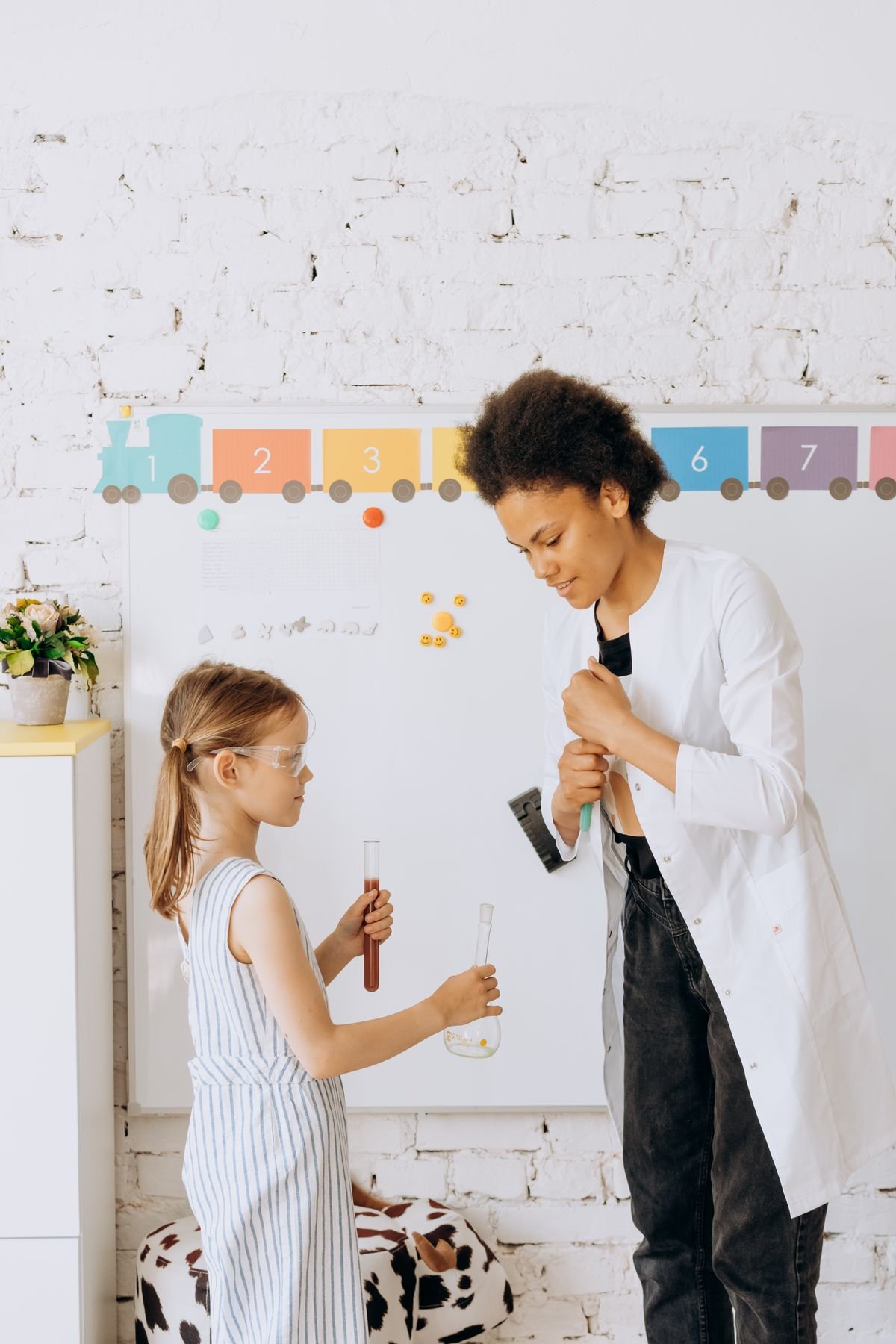
A small example, many ways to think
One sheet of paper. A room full of possibilities.
Imagine a simple challenge: build a paper bridge between two books. How could the same sheet hold more weight without adding more paper?
Suddenly there is a reason to notice shapes, test predictions, compare ideas and explain a choice. The conversation after the attempt is part of the experience.
An illustrative activity from this approachWhat could a fold change?
Explore the prompts below. There is more than one route worth trying.
01Before you begin
Look at the flat sheet. Where do you think it will bend? Sketch or describe your prediction before changing anything.
02While you explore
Try a folded shape, then another. Keep the gap between the books the same and add coins one at a time. What changes? Compare your approach with a partner’s.
03After the discovery
Which idea surprised you? What would you change next time? Look for folded or corrugated shapes in packaging around you.
Different minds, shared discovery
Make room for every kind of contribution.
A room holds quick thinkers, careful observers, confident speakers and people who need a moment to find their words. We design different ways to take part.
- Think first, then share.A quiet moment or a conversation in pairs can give an idea time to form.
- Offer more than one way in.Looking, drawing, making, speaking and solving let learners contribute in different ways.
- Let language open the door.English, Hindi or a bilingual format helps us shape the experience around the audience.
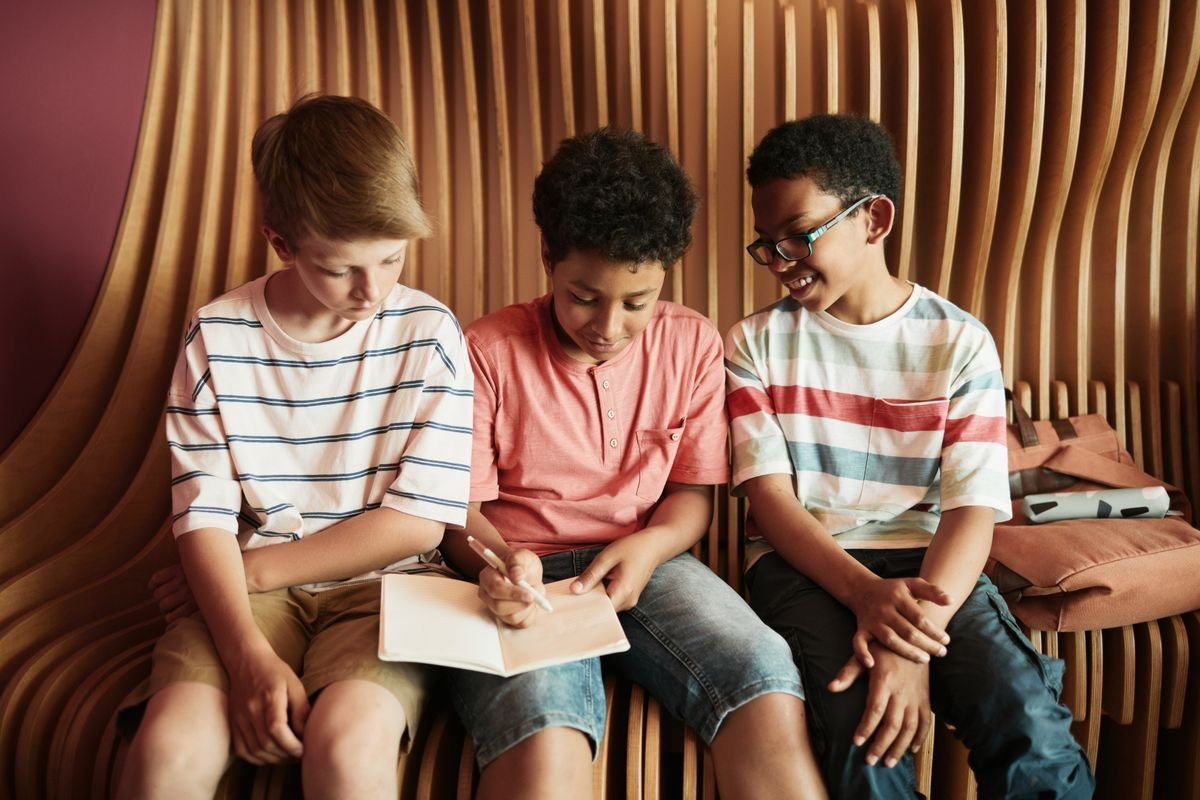
What we hope stays
The experience ends. The curiosity carries on.
Beyond a score or a finished activity, these are the habits we want to make room for.
One more question.
The impulse to look closer, ask why and follow an interesting thought.
A willingness to try.
The readiness to offer an idea, test it and change direction when something new appears.
A shared discovery.
An idea, a conversation or a moment with someone else that is worth returning to.
From the way we think to what we create
Let's make curiosity part of your next learning experience.
Explore our formats, or bring us a theme, a question or a possibility for your school.